

When was the last time you thoroughly inspected your work at height equipment?

For many businesses, access equipment is used daily to carry out maintenance, inspections, repairs, and installation work. Whether you're using scaffold towers, access platforms, roof access equipment, or bespoke solutions, the safety and condition of your equipment should never be taken for granted.
According to the Work at Height Regulations 2005, employers have a legal responsibility to ensure equipment used for work at height is suitable, properly maintained, and inspected regularly. However, compliance isn't just about meeting legal requirements. Regular maintenance and inspections can help prevent equipment failures, reduce downtime, and most importantly, protect those working at height.
As we move through 2026, businesses face increasing pressure to maintain safe working environments while keeping operations running efficiently. That's why proactive equipment maintenance has never been more important.
Why Regular Equipment Checks Matter?
Work at height equipment is often exposed to demanding environments and frequent use. Over time, components can wear, damage can occur, and small issues can develop into serious safety concerns if left unchecked.
Common issues can include:
- Damaged components
- Missing parts
- Wear and tear
- Corrosion
- Loose fixings
- Faulty locking mechanisms
- Damaged wheels or castors
- Structural damage
While some problems may be visible during routine pre-use inspections, others can go unnoticed without a more detailed assessment.
That's why regular maintenance checks are essential. Identifying issues early can help avoid costly repairs, equipment downtime, and potentially dangerous situations for operators.
The Risks of Delaying Maintenance
Many organisations rely on visual checks before equipment is used, but this alone may not be enough.
A scaffold tower, access platform, or bespoke access system can appear safe at first glance while underlying issues continue to develop.
Delaying inspections or maintenance can result in:
- Increased safety risks
- Unexpected equipment failures
- Reduced equipment lifespan
- Project delays
- Increased repair costs
- Potential breaches of health and safety regulations
A proactive approach is always more cost-effective than reacting to a problem after it occurs.
Equipment Maintenance Should Be Ongoing
Maintaining work at height equipment should not be treated as a one-off annual task.
Instead, businesses should adopt a planned maintenance strategy that includes:
Regular Inspections
Routine inspections help identify wear and damage before they become serious problems.
Preventative Maintenance
Replacing worn components and carrying out minor repairs can help extend equipment life and improve reliability.
Documentation and Record Keeping
Maintaining accurate records demonstrates compliance and provides confidence that equipment remains safe for use. Remember, it there isn’t a record, it’s only a rumour!
Expert Advice
Having access to experienced professionals can help businesses make informed decisions about repairs, upgrades, replacements, and safe working practices.
Supporting Customers Beyond Equipment Supply
At Ability International, we believe supplying quality access equipment is only part of the solution.
Ensuring equipment remains safe, compliant, and fit for purpose throughout its lifespan is equally important.
That's why we offer ongoing maintenance support and equipment check-ups to help customers keep their access equipment operating safely and efficiently.
Our experienced team can provide guidance on:
- Equipment condition assessments
- Maintenance requirements
- Repair recommendations
- Safe operation
- Equipment upgrades
- Compliance considerations
- Replacement planning
Whether you have a single access system or multiple pieces of work at height equipment across different sites, regular professional reviews can provide valuable peace of mind.
Don't Wait for a Problem to Develop
One of the most common mistakes businesses make is only seeking support when equipment develops a fault.
By this point, the issue may already be affecting safety, productivity, or project schedules.
Regular maintenance visits and equipment reviews allow potential problems to be identified early, reducing disruption and helping organisations stay ahead of issues before they become costly.
Just like servicing a vehicle, preventive maintenance often proves far more effective than waiting for something to fail.
Need Advice About Your Equipment?
Even if you're unsure whether your equipment requires servicing or inspection, it's always worth asking.
Many customers contact us simply because they want reassurance that their equipment remains safe to use or because they have questions about maintenance schedules, inspections, or ongoing compliance requirements.
Our team is always happy to provide practical advice and guidance based on your specific equipment and working environment.
Whether you need a one-off assessment, regular maintenance support, or simply want expert advice about keeping your access equipment in the best possible condition, we're here to help.
Contact Ability International Today
If you're unsure about the condition of your work at height equipment, or you'd like to discuss an ongoing maintenance package with regular check-ins from our team, get in touch with Ability International today by filling out our enquiry form.
We'll help ensure your equipment remains safe, compliant, and ready to perform whenever you need it.
Image Source: Envato
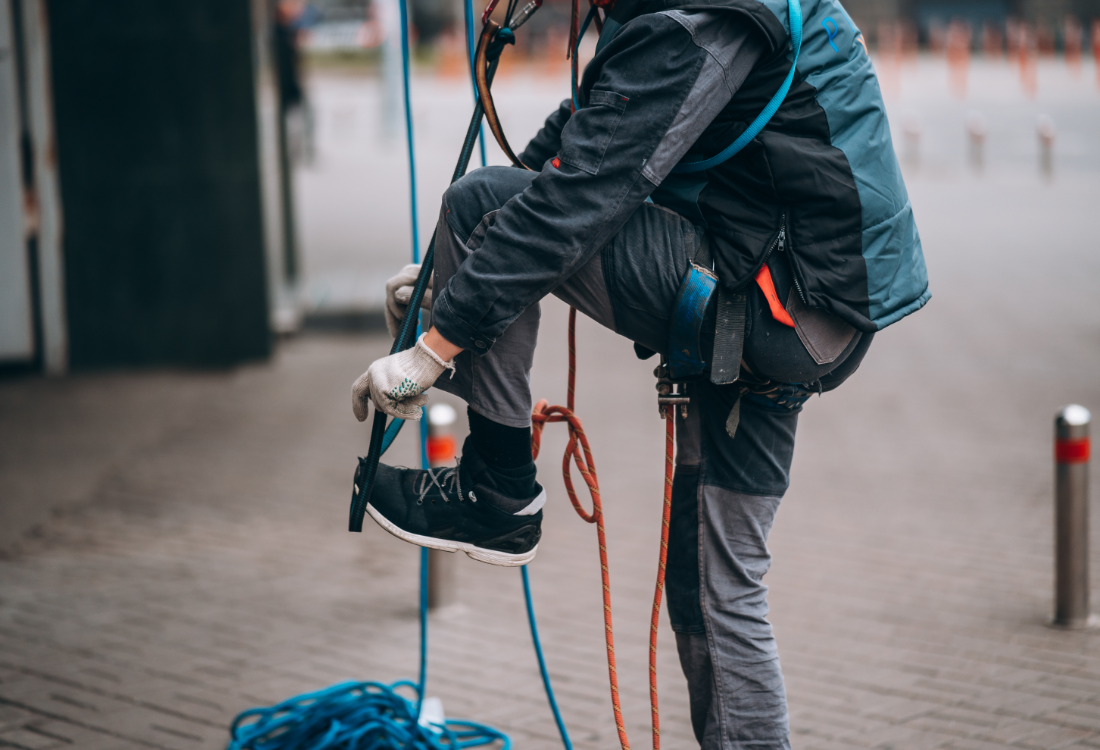
The Risks of Falls from Height, Depending on the Height
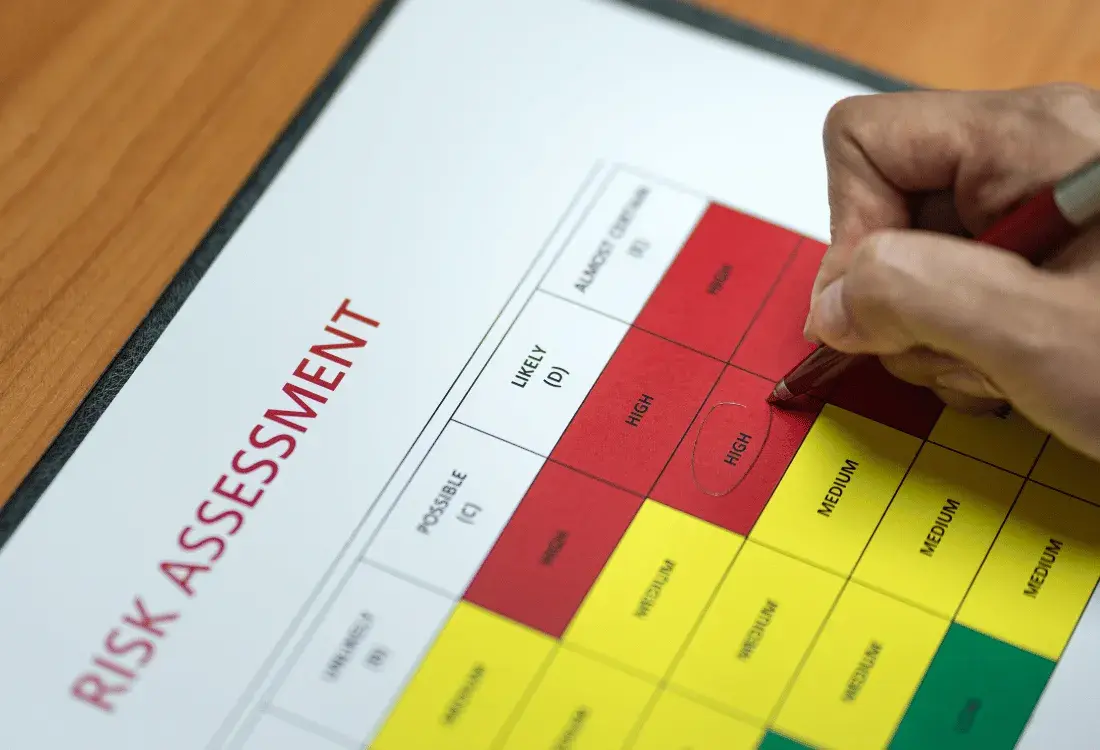
The Importance Of Proper Planning: How Risk Assessments Save Lives