
On first glance, work at height equipment like the DeskSurfer can seem quite cumbersome and difficult to transport, which begs the question as to how you actually get it to where it's needed. This question crops up frequently with customers whose environment is somewhat limited with space, but thankfully we have the solution already.

Such platforms may perform brilliantly once they’re in position, but many environments feature narrow corridors, tight doorways and stairwells that weren't designed with large access equipment in mind.
That's exactly why Ability International developed the Removable Mast DeskSurfer. It actually began as a bespoke solution for one customer but has since become a standard product that helps maintenance teams reach work areas that would otherwise be difficult to access.
It Started With A Real Customer Problem
Like many of Ability International's products, the Removable Mast DeskSurfer version was created due to a genuine challenge faced by one of our customers. They were carrying out maintenance on emergency lighting inside a stairwell and needed the stability and safety of a DeskSurfer. However, at the time, there was a major issue in getting the original equipment up the stairs to where it was needed.
It was clear to us at Ability International that such an issue wouldn’t be a one-off and we should start developing a version of the DeskSurfer that could be dismantled into manageable sections for transport, before being reassembled at the point of use.
The new work at height equipment worked so well that it became part of the standard DeskSurfer range and is a fine example of practical engineering driven by real working environments.
Breaking The DeskSurfer Into Three Sections
The Removable Mast DeskSurfer separates into three main components, and breaking the unit down like this makes it much easier to carry through confined spaces like stairwells and narrow corridors.
Once each component reaches the work area, the DeskSurfer’s removable mast is reassembled before use, allowing workers to benefit from the same secure working platform they would expect elsewhere in the building.
Transporting DeskSurfers
The upper guard rail of some DeskSurfers can also be removed and folded, reducing the overall size of the machine for transport and storage. This gives maintenance departments a lot more flexibility.
The unit can be loaded into a Transit-sized van or even a large estate car when required. For organisations with engineers travelling between multiple buildings, this removes the need for larger transport vehicles simply to move the access equipment.
Tight Spaces Don't Mean Unsafe Access
Working inside buildings presents some different challenges from external construction work. The likes of plant rooms can be cramped while stairwells restrict movement. There might be ceiling voids and service corridors which leave very little room to manoeuvre. Without suitable equipment, human nature will see workers start looking for shortcuts.
Maybe they balance on furniture, or combine different access products, or they dangerously overreach from ladders simply because the proper equipment won't fit into the space. This is exactly the sort of situation the DeskSurfer is designed to prevent.
Being able to transport the equipment through restricted areas means workers don't have to improvise once they reach the job. They can use a purpose-built platform designed specifically for working safely at height.
Designed Around Everyday Maintenance
Maintenance teams use Removable Mast DeskSurfers for a wide variety of purposes, including emergency lighting inspections, electrical maintenance, and replacing ceiling tiles. They may also be used for servicing ventilation systems, decorating internal spaces, and carrying out routine inspections above fixed desks, counters and machinery.
Many of these jobs take place in buildings that remain fully operational throughout the working day, such as schools that must continue teaching or hospitals treating patients. Office staff also usually keep working even as maintenance occurs around them.
Equipment therefore needs to move through occupied buildings with as little disruption as possible. A product that can be transported in sections or folded into a smaller footprint becomes much easier to manage than larger alternatives that require extensive clearance.
A Problem Solving Innovation
Innovations happen for a number of reasons, with one of the most frequent being the simple solving of a problem. The Removable Mast DeskSurfer certainly falls into that category. Instead of expecting customers to work around the equipment, Ability International adapted the equipment to work around the customer's environment.
That same thinking continues across the DeskSurfer range and other work at height equipment today. Whether it's a removable mast, the fold-down mast, or other practical refinements, each feature exists because it solves a genuine workplace challenge.
If you're regularly working in buildings with staircases, confined access routes or limited storage space, it's worth discussing your working environment before choosing a model. A small design difference can make transporting equipment far easier, allowing your team to focus on carrying out work safely rather than wondering how they'll get the platform to the job in the first place.
If you require the DeskSurfer RM model which can be safely transported up and down stairs, contact Ability International for more information and practical support aligned with current UK standards.

Image Source: Envato
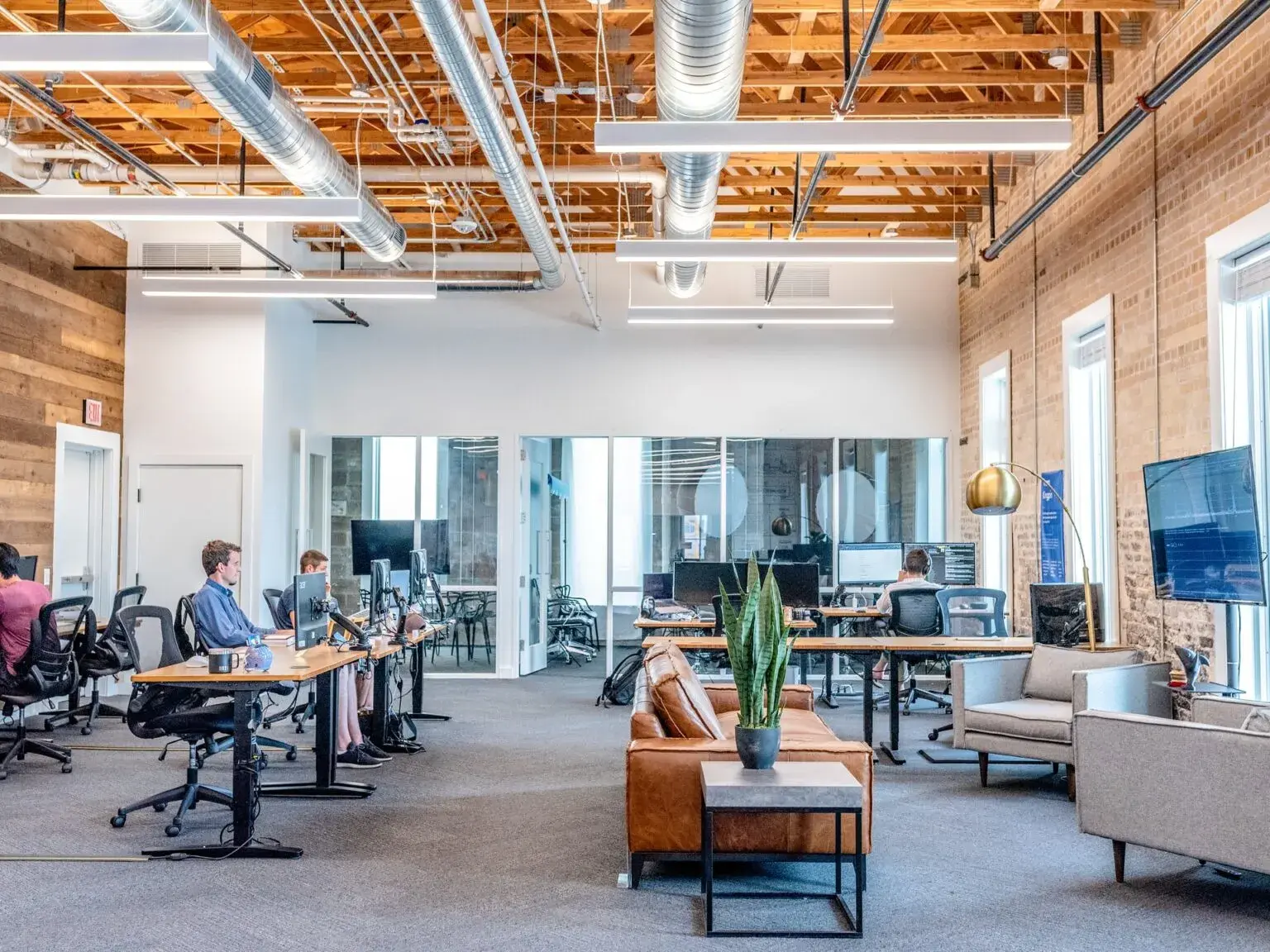
Working At Height Over Desks Is A Nightmare! But We Can Help Make It Easier…
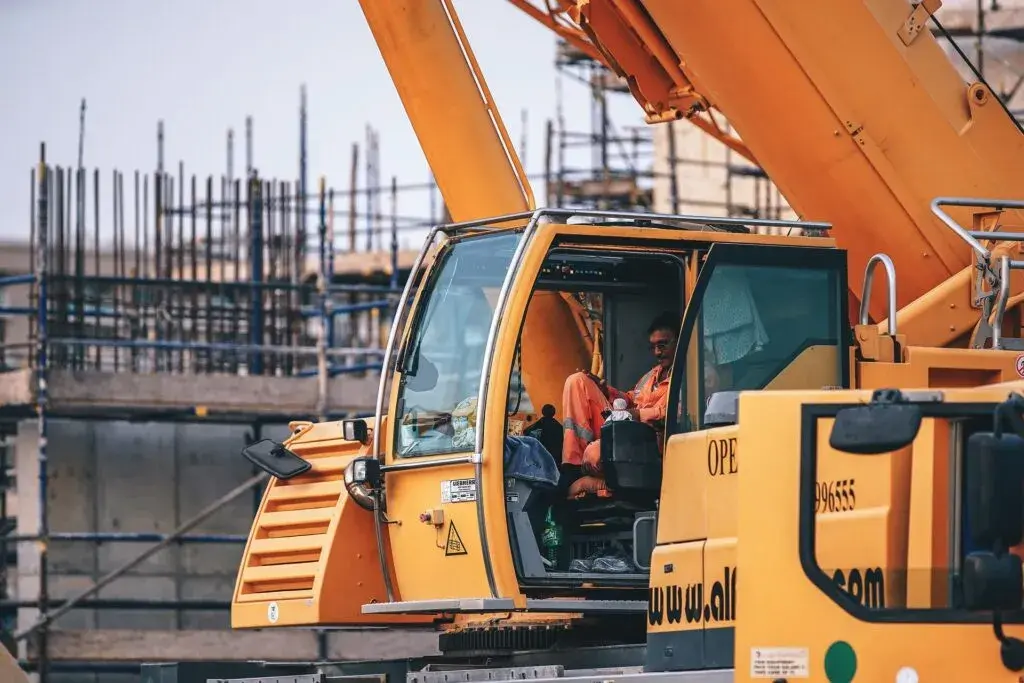
Access Equipment: What Is It And Why Do You Need It?